I Thought My Health Was Fine—Until the App Showed Otherwise
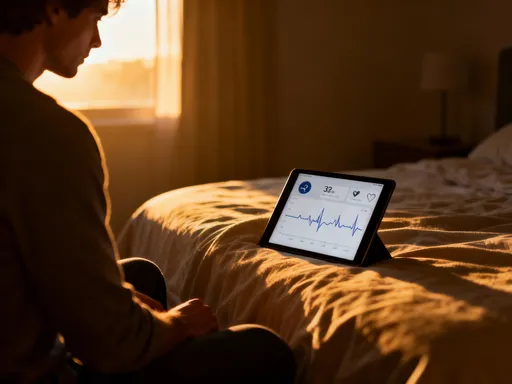
It started with a whisper, not a crisis. I felt okay—busy, maybe, a little tired, but nothing alarming. Then one morning, my phone buzzed with a simple summary: “Resting heart rate elevated for 3 consecutive nights. Consider stress levels.” I hadn’t noticed. But the data did. That moment changed how I see my body, my habits, and the quiet power of technology that doesn’t judge, just listens. This is what happens when health insights stop being clinical and start feeling personal. It’s not about chasing perfection—it’s about finally hearing what your body has been trying to tell you.
The Wake-Up Call No One Talks About
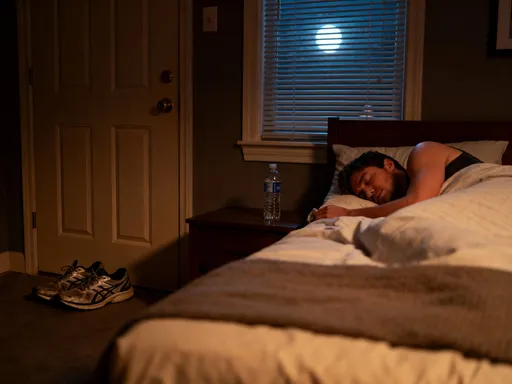
How many times have we brushed off that low-level fatigue, chalked up irritability to a long week, or told ourselves we’ll “sleep better next time”? I know I have. For years, I thought health awareness meant waiting for something to go wrong—until it didn’t. The real shift happened not in a doctor’s office, but on my phone screen. That first alert about my elevated resting heart rate wasn’t dramatic, but it was personal. It wasn’t a diagnosis, but it was a mirror—one I couldn’t look away from.
What surprised me most was how normal I still felt. No headaches, no chest pain, nothing that would’ve sent me to urgent care. But the numbers didn’t lie. Over three nights, my heart had been working harder while I slept, and my sleep quality scores had dropped. The app didn’t panic. It simply said, “Hey, something’s off.” And that calm, consistent voice made me pause. Unlike a yearly physical, where everything is a snapshot in time, this was a story unfolding in real time—my story, told through patterns only technology could see.
And I’m not alone. So many women I’ve spoken to—mothers, professionals, caregivers—have had that same moment. Maybe it was a blood oxygen level that dipped too low, or a stress score that kept creeping up. Maybe it was noticing how their “average” sleep was really only five hours of restless tossing. These aren’t emergency signs, but they’re signals. And the beauty of modern health tracking is that it meets us where we are—with busy lives, packed schedules, and the habit of putting ourselves last. It doesn’t demand perfection. It just asks us to pay attention.
That’s the quiet power of continuous monitoring. It doesn’t wait for symptoms. It doesn’t need us to remember to check in. It’s there, every night, every morning, quietly collecting what we miss. And when it speaks, it’s not with fear or judgment. It’s with clarity. That first nudge isn’t about fixing something broken—it’s about reconnecting with yourself.
Living Alone, Staying Healthy: The Silent Challenge
If you live on your own, you know how easy it is to slip under the radar—your own radar. There’s no one to say, “You seem quieter than usual,” or “You haven’t eaten much today.” No partner to notice when you skip dinner because you’re too tired, or when you’ve been on the couch more than usual. I used to think independence meant strength. But I’ve learned it can also mean isolation—especially when it comes to health.
When you’re the only one checking in, it’s easy to normalize things that shouldn’t be normal. That low energy? “Must be aging.” The constant tension in your shoulders? “Just stress from work.” The fact that you’ve had three cups of coffee by 10 a.m.? “I need the boost.” But without an outside perspective, these small things pile up. And because they don’t feel like emergencies, they never rise to the top of the to-do list.
This is where health tech becomes more than convenient—it becomes essential. For someone living solo, a wearable isn’t just a gadget. It’s a witness. It sees what you don’t. It remembers what you forget. It’s the quiet companion that says, “Hey, your heart rate hasn’t been this high in months,” or “You’ve only taken 2,000 steps today—want to go for a walk?” It’s not nagging. It’s noticing.
And that kind of consistency matters. Because when you’re the only one responsible for your well-being, you need tools that don’t give up when you do. You need something that tracks the small stuff—hydration, movement, sleep quality—because those are the things that shape your long-term health. You need a system that doesn’t rely on memory or motivation, because some days, those are in short supply. Most of all, you need to know someone—or something—is paying attention.
Why Trust Matters More Than Features
Let’s be honest—there are plenty of flashy health apps out there. Some promise miracle insights, others boast dozens of metrics you’ve never heard of. But after trying a few, I learned something important: no amount of bells and whistles matter if you don’t trust what they’re telling you.
I remember early on, I used a device that gave me wildly different sleep scores from night to night, even when my routine was the same. One night I was “excellent,” the next I was “poor,” with no explanation. After a while, I stopped believing it. Why would I change my habits based on something that felt random? That experience taught me that reliability isn’t just nice to have—it’s the foundation of real change.
What I value now is consistency. When my resting heart rate trends upward over several days, I notice. When my sleep stages show I’m getting less deep sleep, I pay attention. But only because I’ve seen the same patterns repeat in a way that makes sense. Over time, I’ve learned that my body responds to stress, late meals, and screen time before bed—and my device reflects that truth back to me, night after night.
That kind of accuracy builds trust. And trust leads to action. I don’t need a dramatic alert to take a breath or go to bed earlier. I just need to know the data is right. That’s why I’ve stuck with one system—it doesn’t surprise me with false alarms or confusing reports. It’s steady. Predictable. Like a friend who knows you well enough to say, “You’re not sleeping well,” without making you feel guilty.
And for someone managing their health alone, that reliability is everything. You can’t afford to waste mental energy questioning whether the numbers are real. You need to know that when the app says, “Your stress levels are high,” it’s not guessing. It’s seeing. And when you trust it, you’re more likely to listen.
From Data to Daily Decisions
Here’s the truth: data alone doesn’t change lives. It’s what you do with it that matters. I used to scroll through my health reports like they were abstract art—interesting, but not actionable. Then one morning, after seeing three red flags in a row—poor sleep, high resting heart rate, low activity—I asked myself, “What can I actually do today?”
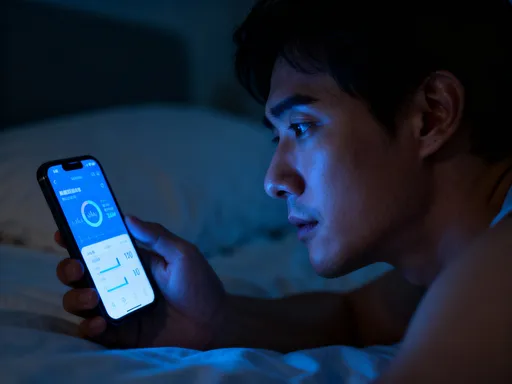
That small shift—from observation to action—changed everything. Instead of feeling overwhelmed, I started small. I noticed my sleep suffered when I used my phone in bed, so I set a wind-down alarm an hour before bedtime. I saw that my stress spiked on days I skipped breakfast, so I started prepping overnight oats on Sundays. I realized I drank less water on low-activity days, so I linked my water bottle to a reminder that pops up when my step count is below average.
These aren’t revolutionary changes. But they’re mine. And they work because they’re based on my own patterns, not someone else’s generic advice. The app didn’t tell me to “drink more water”—it showed me the direct link between dehydration and fatigue in my body. It didn’t say, “Reduce screen time”—it revealed how every extra 30 minutes on my phone delayed my deep sleep phase.
And here’s what surprised me: once I started making these tiny adjustments, the motivation followed. It wasn’t willpower. It was proof. Seeing my sleep score improve after just two nights of no screens in bed? That felt like a win. Watching my resting heart rate drop after a week of morning walks? That kept me going. The technology didn’t force me to change. It just gave me the evidence I needed to believe change was possible.
Now, when I feel off, I don’t wait for a crisis. I check in. What did I eat? When did I sleep? How much did I move? The answers aren’t always perfect, but they’re honest. And that honesty—backed by data—has made me kinder to myself. I’m not failing. I’m learning.
The Emotional Side of Health Tracking
We don’t talk enough about how emotional this journey can be. I didn’t expect to feel relieved when my sleep score was high. I didn’t expect to feel a little anxious when my stress report showed “elevated” for three days straight. But I did. And I’ve learned that how the app delivers that information matters just as much as the data itself.
Early on, I used an app that used harsh language—“You failed to meet your goal,” or “Low activity detected.” It made me feel guilty, even defensive. I’d think, “I had a tough day. I did my best.” Over time, I stopped opening the app. The tone was all wrong. It felt like a critic, not a supporter.
Now, I use one that speaks with kindness. Instead of “failure,” it says, “Let’s try again tomorrow.” Instead of “low activity,” it offers, “You’ve been busy—how about a 10-minute stretch?” That small shift in language changed everything. It didn’t just make me feel better—it made me want to keep going.
And that’s the power of emotional design. When your health app acknowledges effort, not just outcomes, it builds confidence. When it offers support instead of judgment, it reduces shame. When it celebrates small wins—like “Great job staying hydrated!”—it makes you feel seen.
For women in our 30s, 40s, and 50s, this matters. We’ve spent years caring for others—kids, parents, partners, coworkers. We’re used to being strong, to pushing through. But health tracking isn’t about adding another to-do. It’s about giving ourselves permission to pause. To notice. To say, “I’m tired. I need rest. I matter.” And when the technology reflects that care back to us, it becomes more than a tool. It becomes a companion.
Building a Routine That Sticks
Let’s be real: no one wants to add another chore to their day. I’ve tried all kinds of habits—journaling, meditation, even bullet planning—and most of them faded after a few weeks. But health tracking has stayed. Why? Because it’s not about discipline. It’s about fit.
I didn’t force myself to wear a clunky device or charge it every night. I chose one that felt light, comfortable, and easy to forget—until I needed it. I didn’t try to track everything at once. I started with sleep. Once that felt natural, I added heart rate. Then activity. Small steps. No pressure.
I also synced it with my rhythm. I check my report every morning with coffee—no screens, just me and my mug, reviewing the night before. It’s become part of my quiet time. On busy days, I might skip the deep dive, but I still glance at the summary. And on tough days, that quick look reminds me: “You’re doing better than you think.”
The key? The system works for me, not the other way around. It doesn’t demand perfection. It celebrates consistency. And because it’s reliable, I don’t have to think twice about whether it’s worth my time. Even on days when I feel too tired or too busy, I keep going—because it’s not a burden. It’s a habit that feels good.
And that’s what makes it last. Not motivation. Not willpower. But a simple truth: this small daily check-in makes me feel more in control. More connected. More like I’m showing up for myself.
Peace of Mind, One Report at a Time
At the end of the day, this isn’t about chasing perfect scores or hitting step goals. It’s about something deeper: peace of mind. Knowing that someone—or something—is watching over your well-being, even when life gets loud. That you’re not just surviving, but truly living with awareness.
There’s a quiet comfort in seeing your data night after night. It’s not about fear or fixing. It’s about connection. It’s the realization that your body is speaking, and now, you’re finally listening. That you’re not alone in this journey—even if you live by yourself.
Stable, trustworthy health reporting has become my form of self-care. Not the kind that requires a spa day or a vacation—though I love those too. But the everyday kind. The kind that says, “You matter enough to check in.” The kind that helps you catch small shifts before they become big problems. The kind that reminds you: you’re seen. You’re heard. You’re taking care.
And maybe that’s the greatest gift technology can give—not more data, but more confidence. Not more alerts, but more peace. Because when you know your body is being watched with care and consistency, you can breathe a little easier. You can keep going. And you can finally say, with certainty: I’m not just okay. I’m becoming more aware, more present, more myself—one report at a time.