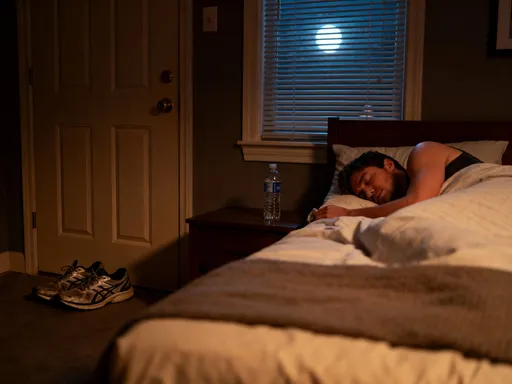
Why My Insomnia Got Worse Before It Got Better
For years, I chased sleep like it owed me something—skipping coffee, banning screens, even trying lavender sprays. But nothing worked. In fact, some "solutions" made me more wired. I wasn’t fixing insomnia; I was feeding it. Turns out, many of us unknowingly sabotage our own recovery. This is what I learned the hard way about sleep rehabilitation—the real process, the common pitfalls, and how small mindset shifts finally brought real change.
The Myth of Quick Fixes in Sleep Recovery
Sleep is one of the few bodily functions we cannot force, yet many approach insomnia as if it can be solved with willpower or a single breakthrough strategy. The belief that sleep should return quickly after adopting a new habit or starting a supplement is widespread—and deeply misleading. Insomnia recovery is not a straight line upward. Instead, it often involves setbacks, fluctuations, and periods where sleep feels worse before any improvement becomes visible. This non-linear path frustrates many who expect immediate results from their efforts, leading them to abandon effective long-term strategies too soon.
Behavioral science shows that the pressure to fall asleep activates the sympathetic nervous system—the same network responsible for alertness and stress. When someone lies in bed thinking, "I must sleep now," the brain interprets this demand as a threat. The body responds with increased heart rate, muscle tension, and mental hyperactivity, all of which oppose the relaxation needed for sleep. This creates a feedback loop: the harder one tries to sleep, the more elusive it becomes. The expectation of quick recovery, therefore, doesn’t just disappoint—it actively interferes with healing.
What helps instead is a shift from urgency to patience. Recognizing that sleep rehabilitation takes time allows individuals to step back from performance anxiety. Progress may not be measured in consecutive eight-hour nights but in reduced nighttime anxiety, fewer awakenings, or improved daytime coping. Studies on cognitive behavioral therapy for insomnia (CBT-I) consistently show that meaningful change often emerges after four to eight weeks of consistent practice—not overnight. Accepting this timeline reduces pressure and makes sustainable progress possible.
Pitfall #1: Over-Relying on Sleep Hygiene
Sleep hygiene—practices like maintaining a regular bedtime, avoiding caffeine, limiting screen exposure, and creating a comfortable sleep environment—is often presented as the gold standard for better rest. While these habits are beneficial, they are frequently overemphasized as standalone solutions. For those with chronic insomnia, simply following good sleep hygiene rarely leads to lasting improvement. This is because chronic insomnia is not primarily a hygiene problem; it is a disorder of conditioned arousal and cognitive distortion.
Imagine the brain learning to associate the bed not with rest, but with worry, frustration, and wakefulness. Over time, this association becomes automatic. Even when all external conditions are optimal—dark room, cool temperature, no devices—the mind remains alert because the bed has become a trigger for stress rather than sleep. In such cases, adjusting the environment does little to retrain this deep-seated mental link. Surface-level changes cannot override years of negative conditioning.
Research supports this distinction. Clinical trials have shown that while sleep hygiene education alone produces minimal improvement in people with chronic insomnia, combining it with cognitive and behavioral interventions—such as stimulus control and sleep restriction—leads to significant and durable results. The limitation of sleep hygiene lies in its failure to address the underlying mechanisms: racing thoughts, fear of sleeplessness, and the hypervigilance that keeps the nervous system on high alert. Without targeting these root causes, even the most disciplined routines may fall short.
Pitfall #2: The Trap of Sleep Tracking
In the age of wearable technology, many turn to sleep trackers to gain insight into their rest. Devices that measure sleep stages, heart rate variability, and movement promise clarity and control. Yet, for individuals struggling with insomnia, this data often becomes a source of obsession rather than reassurance. Instead of promoting relaxation, sleep tracking can intensify anxiety, distort self-perception, and create new sleep-related fears.
Consider someone who wakes up feeling reasonably rested but checks their device and sees they had only 45 minutes of "deep sleep." Despite how they feel, they interpret this number as proof of failure. This discrepancy between subjective experience and objective (or seemingly objective) data breeds confusion and distress. Over time, the individual may begin to distrust their own body, relying more on the device than on internal cues of fatigue and recovery. This external dependence undermines natural sleep regulation.
Moreover, the act of monitoring sleep can itself become a ritual that prolongs wakefulness. Lying in bed reviewing the previous night’s data or worrying about achieving a certain percentage of REM sleep keeps the mind engaged when it should be winding down. Some studies suggest that individuals who frequently use sleep trackers report higher levels of sleep-related anxiety and lower sleep satisfaction—even when their actual sleep duration improves. The irony is clear: the tool meant to improve sleep may be making it worse.
This does not mean all tracking is harmful. For some, occasional use can provide motivation or help identify broad patterns. However, for those with insomnia, the risks often outweigh the benefits. A more balanced approach involves using data sparingly, focusing on trends rather than nightly fluctuations, and prioritizing how one feels during the day over what the device reports. In some cases, the healthiest choice may be to stop tracking altogether and relearn how to listen to the body’s natural signals.
Rehabilitation Training: Rewiring Your Brain for Sleep
True sleep rehabilitation goes beyond habits and gadgets—it requires retraining the brain. Cognitive behavioral therapy for insomnia (CBT-I) is the most well-supported, evidence-based treatment for chronic sleep difficulties. Unlike temporary fixes, CBT-I targets the core processes that maintain insomnia: conditioned arousal, negative beliefs about sleep, and maladaptive behaviors. Its goal is not just to improve one night’s rest but to create lasting changes in how the mind and body relate to sleep.
One key component of CBT-I is stimulus control. This technique aims to rebuild the association between the bed and sleep. Patients are instructed to use the bed only for sleep (and intimacy), to go to bed only when sleepy, and to get out of bed if unable to fall asleep within 15–20 minutes. By breaking the habit of lying awake in bed, the brain gradually relearns that the bedroom is a place for rest, not rumination. This simple but powerful shift can reduce the anxiety that accumulates around bedtime.
Another cornerstone is sleep restriction. While counterintuitive, this method involves temporarily limiting time in bed to match actual sleep duration. For example, if someone averages five hours of sleep per night, they might be advised to stay in bed only five and a half hours—regardless of how tired they feel. This builds stronger sleep pressure and increases sleep efficiency. As sleep consolidates, the time in bed is gradually expanded. Though challenging at first, this approach has been shown to significantly improve sleep continuity and reduce nighttime awakenings.
CBT-I also includes cognitive restructuring, which helps individuals identify and challenge unhelpful thoughts about sleep. Phrases like "I’ll be useless tomorrow" or "I can’t function without eight hours" are examined for accuracy and replaced with more balanced perspectives. Over time, this reduces the catastrophic thinking that fuels insomnia. When combined, these techniques work synergistically to calm the nervous system, restore natural sleep rhythms, and rebuild confidence in the body’s ability to rest.
Pitfall #3: Avoiding Daytime Fatigue at All Costs
When sleep is poor, the instinct is to compensate during the day. Many reach for extra coffee, take long naps, or push through tasks with sheer determination. While these strategies offer short-term relief, they interfere with the body’s natural sleep-wake cycle. The biological drive to sleep—known as sleep pressure—builds up the longer one is awake. By reducing wakefulness through napping or masking fatigue with caffeine, individuals inadvertently weaken this essential drive, making it harder to fall and stay asleep the following night.
Napping, in particular, can be a double-edged sword. A brief 20-minute nap early in the afternoon may not disrupt nighttime sleep for some, but longer or later naps often do. For someone with insomnia, even a short nap can reduce the accumulation of adenosine, a chemical that promotes sleepiness. When bedtime arrives, the body simply isn’t tired enough. Similarly, high doses of caffeine—especially after noon—can remain active in the system for hours, delaying sleep onset and fragmenting sleep architecture.
More subtly, the effort to avoid fatigue reflects a deeper intolerance of discomfort. When every trace of tiredness is treated as an emergency, the person sends a message to their nervous system: "Something is wrong." This heightens vigilance and makes it harder to relax at night. In contrast, allowing mild daytime fatigue—without judgment or resistance—helps maintain a healthy sleep-wake balance. It signals to the body that wakefulness is safe and that rest will come naturally when the time is right. Embracing this discomfort is not about suffering; it’s about trusting the process.
The Role of Mindset in Sleep Recovery
If sleep were purely a matter of biology, everyone would sleep well with the right routine. But sleep is also shaped by psychology—by beliefs, expectations, and emotional responses. This is why two people with identical schedules and habits can have vastly different sleep experiences. The mind plays a central role in whether sleep feels accessible or impossible. Shifting one’s mindset—from striving to allowing, from controlling to accepting—is often the missing piece in recovery.
The sleep effort paradox captures this idea: the more effort one puts into trying to sleep, the less likely success becomes. Sleep is a passive state, not an active achievement. It emerges when conditions are right, not when forced. Yet many approach bedtime as a performance task, monitoring every thought and sensation, willing themselves to shut down. This effortful state is incompatible with sleep. Letting go of the need to control the process—while still engaging in healthy practices—is a delicate but necessary balance.
Psychological flexibility—the ability to experience discomfort without reacting impulsively—is a key skill in insomnia recovery. It means accepting that some nights will be poor, without spiraling into fear or self-criticism. It means continuing with daytime routines even when tired, rather than retreating from life. Research shows that individuals who adopt a non-judgmental, accepting attitude toward sleep disturbances tend to recover faster and maintain improvements longer. Perfection is not the goal; consistency and self-compassion are.
Another important shift is redefining what progress looks like. A good night’s sleep is not the only sign of improvement. Falling asleep faster after getting out of bed, feeling less anxious at bedtime, or waking up once instead of five times are all meaningful gains. Tracking these subtle changes helps maintain motivation during the inevitable ups and downs of recovery. Over time, this mindset fosters resilience and reduces the emotional toll of insomnia.
Putting It All Together: A Realistic Path Forward
Recovery from chronic insomnia is not about achieving perfect sleep every night. It is about creating a sustainable relationship with rest—one that allows for variability, honors the body’s natural rhythms, and reduces fear around sleeplessness. The most effective path combines evidence-based techniques with realistic expectations and self-compassion. It begins with letting go of quick fixes and embracing a process that unfolds over weeks, not days.
Start with the foundation of CBT-I: strengthen the bed-sleep connection through stimulus control, build sleep pressure with timed wakefulness, and challenge catastrophic thoughts about sleep loss. These are not one-time actions but practices to be repeated consistently. Pair them with selective habit adjustments—such as limiting caffeine, maintaining a loose schedule, and creating a calming pre-sleep routine—but do not treat these as magic solutions. Their power increases when integrated into a broader psychological framework.
At the same time, cultivate a mindset of acceptance. Allow for off nights without judgment. Recognize that fatigue is temporary and manageable. Avoid the trap of measuring progress by external metrics like sleep trackers. Instead, focus on internal indicators: energy levels, mood, ability to concentrate. These are more reliable signs of recovery than any number on a screen.
Finally, remember that healing is not linear. There will be nights when old habits resurface, when stress spikes, or when sleep feels as distant as ever. These moments are not failures—they are part of the process. What matters is returning to the practices that support long-term change, not achieving perfection. With time, patience, and persistence, the brain can unlearn its fear of sleep and reestablish trust in its ability to rest.
Sleep can improve. But it improves not through force, but through understanding. Not by fighting the night, but by aligning with the body’s natural capacity to heal. The journey may be longer than expected, but for many, the reward—a quiet mind, a rested body, and peace at bedtime—is worth every step.