From Anxious to Empowered: How Simple Tech Made Living Alone Feel Like Coming Home
Living alone used to mean double-checking locks, jumping at every noise, and feeling isolated after dark. I know—it was my reality too. For years, I thought this was just part of the package: independence came with a side of anxiety. The creak of the floorboard wasn’t just wood settling—it felt like a warning. Opening the door to sign for a package meant scanning the hallway like I was in a spy movie. And bedtime? That was the worst. Lights off, phone in hand, scrolling just to feel less alone. But what if the very space that once felt unsafe could become your sanctuary? What if peace of mind wasn’t something you had to fight for—but something you could design into your daily life? Today, technology quietly transforms my apartment into a smarter, safer extension of my peace of mind—no overhaul required, just thoughtful tweaks that make all the difference. And the best part? You don’t need to be a tech expert. You just need to care about feeling safe, seen, and truly at home.
The Hidden Stress of Going Solo
Let’s talk about the quiet weight of living alone—the kind no one warns you about. It’s not just about cooking for one or remembering to take out the trash. It’s the little things that wear you down: the way you pause before answering the door, the habit of checking the lock three times, the way you avoid walking through dark hallways even in your own home. I used to think this was normal. I told myself, “This is what independence feels like.” But over time, I realized it wasn’t strength I was building—it was hypervigilance. My body was always on alert, like a background app running silently, draining my energy. And I wasn’t alone. So many women I’ve talked to—mothers, professionals, retirees—share the same story. They love their independence, but they carry this low hum of worry, especially at night. It’s not paranoia. It’s practical concern. And when you’re the only one in the house, every sound feels amplified. The fridge kicking on, a tree branch tapping the window, a car door closing outside—each one triggers a mental checklist: Is the door locked? Are the windows secure? Should I call someone just to hear a voice?
What surprised me most was how much this constant alertness affected my emotional well-being. I wasn’t just tired—I was emotionally drained. I found myself avoiding staying home alone, making excuses to go out, or inviting friends over just to feel safer. That’s not freedom. That’s fear wearing the mask of routine. And here’s the truth: safety isn’t just about preventing danger. It’s about creating a space where you can relax, breathe deeply, and feel truly at ease. When your home doesn’t feel like a safe container for your life, it’s hard to enjoy the very independence you worked so hard to earn. But what if we could change that? What if we could use tools—simple, accessible, thoughtful tools—to shift the balance? Not to live in fear, but to live with confidence. That’s where technology, used wisely, comes in.
Safety Tools That Blend Into Real Life
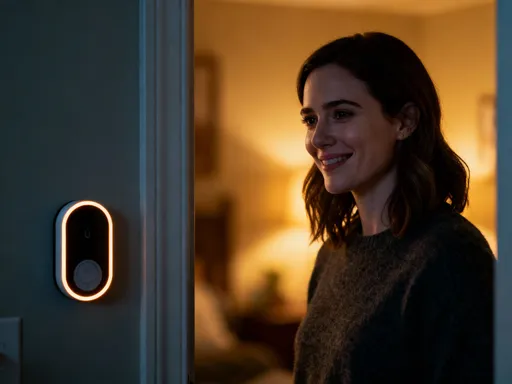
I’ll admit, I used to think smart home tech was for people with big budgets and even bigger houses. I pictured complicated setups, tangled wires, and apps that required a degree to understand. But the truth is, the most helpful tools are the ones that work quietly in the background—so simple, you almost forget they’re there. Think of them like a good pair of slippers: not flashy, but they make every step feel better. A smart doorbell, for example, changed everything for me. It’s not just a camera—it’s peace of mind. Now, when someone rings my doorbell, I see them on my phone, no matter where I am. If it’s a delivery, I can speak to them through the app, tell them to leave the package. If it’s someone I don’t recognize, I can stay silent, watch, and decide what to do—without ever opening the door. No more guessing, no more anxiety. Just clarity.
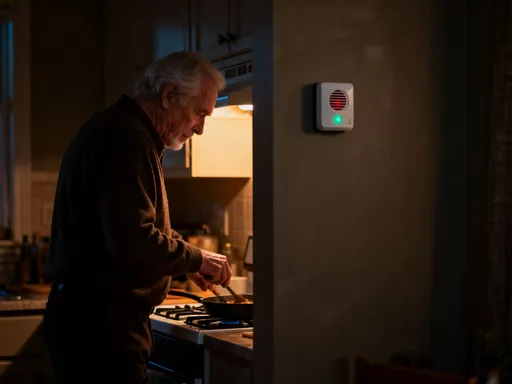
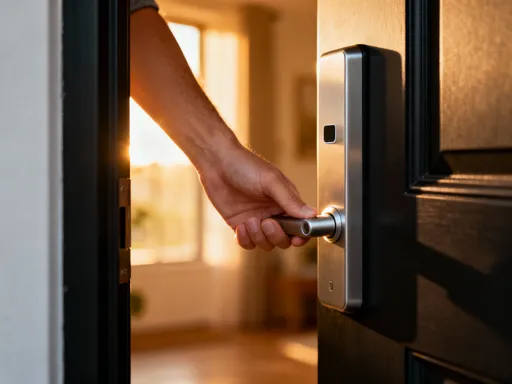
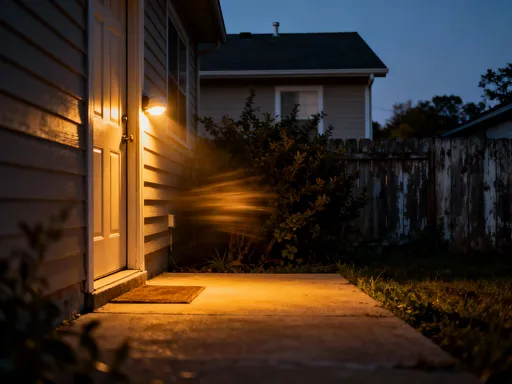
Another game-changer? Motion-sensing lights. I used to fumble for the switch in the hallway at night, heart racing from the sudden darkness. Now, the lights turn on automatically as I walk through the apartment. It’s such a small thing, but it removes that moment of vulnerability. I don’t have to wonder who might be lurking in the shadows—because there aren’t any. The light creates safety, yes, but also comfort. It’s like the house is saying, “I’ve got you.” And the best part? These tools don’t require drilling, wiring, or permission from your landlord. Most are wireless, battery-powered, and easy to install. A door sensor sticks on like tape. A smart plug screws into any outlet. You don’t need to own your home to make it feel safer. You just need to know where to start.
And let’s talk about cameras. I used to worry they’d make my home feel like a surveillance zone. But modern devices are designed with privacy in mind. Some store footage locally, not in the cloud, so only I have access. Others have physical shutters or mute buttons for when I want complete privacy. These aren’t tools for constant monitoring—they’re like seatbelts. You don’t wear them because you expect a crash, but because they give you confidence when you drive. In the same way, these tools don’t assume danger—they create conditions for calm.
Personalizing Your Safety Setup
Here’s what I’ve learned: safety isn’t one-size-fits-all. What works for a college student in a dorm might not help a nurse coming home late from a night shift. And what comforts a parent used to a busy household might feel overwhelming to someone who values quiet. That’s why the real power of tech isn’t in the gadgets themselves—but in how you use them to fit your life. The key is to start with your routine. When do you feel most uneasy? Is it when you’re unlocking the door with grocery bags in hand? When you’re home alone during the day? Or when you wake up in the middle of the night? Once you identify those moments, you can choose tools that address them directly.
For me, the biggest relief came from pairing a smart speaker with my emergency contacts. Now, if I ever feel uneasy, I can say, “Hey, call Mom,” and it dials her automatically—no fumbling for my phone, no trying to type while my hands shake. I’ve also set up voice commands to turn on all the lights, lock the doors, or play calming music. It’s not about replacing human connection—it’s about making help more accessible when you need it most. For someone with mobility challenges, voice control isn’t just convenient; it’s empowering. For a busy mom juggling work and kids, it’s a way to reclaim a little ease in her day.
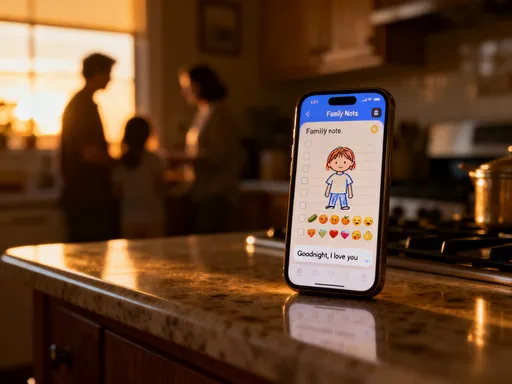
Another powerful tool? Routine automation. I’ve created a “Goodnight” scene that turns off the lights, locks the doors, arms the sensors, and plays a soft chime—like a digital lullaby. It takes the mental load off. I don’t have to remember each step. The system does it for me. And psychologically, it signals that it’s safe to let go. It’s like tucking myself in. You can customize these routines for any part of your day. A “Morning” scene can open the blinds, start the coffee, and read the weather forecast. A “Welcome Home” scene can turn on the lights and play your favorite playlist. These aren’t just conveniences—they’re rituals of care, built into the fabric of your home.
Creating Emotional Security, Not Just Physical
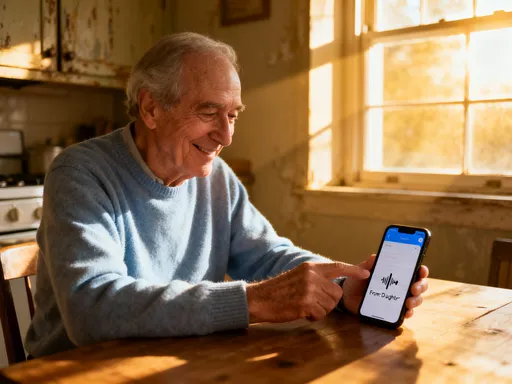
We often think of safety in physical terms: locks, alarms, cameras. But true security is also emotional. It’s the feeling that you’re not alone, even when you’re by yourself. It’s the comfort of knowing your space has your back. And this is where technology, used with intention, can do something beautiful: it can nurture your heart, not just protect your body. One of my favorite features is the ability to leave voice messages for myself—or have loved ones send them. My daughter recorded a “Good morning, Mom!” message that plays when I unlock the door on weekends. It’s silly, maybe, but it makes me smile every time. It’s a reminder that I’m loved, that I matter, that I’m not just surviving—I’m living.
Lighting, too, plays a huge role in emotional safety. Harsh, bright lights can feel clinical. But warm, gradual lighting—like a sunrise simulation—can ease you into the day gently. I’ve set my bedroom lights to turn on slowly in the morning, mimicking natural light. It’s subtle, but it makes waking up feel less jarring. In the evening, I use dimmable lights set to a soft amber glow. It signals to my body that it’s time to wind down. These aren’t just aesthetic choices—they’re acts of self-kindness. They tell my nervous system, “You can relax now. You’re safe.”
And let’s not underestimate the power of sound. Silence can feel heavy when you’re alone. But a smart speaker can fill the space with comfort: a familiar podcast, a playlist of songs that remind you of happy times, or even the sound of rain. One friend of mine schedules a daily check-in call with her sister—automated through her smart display. It rings every evening at 7, like clockwork. She doesn’t always answer, but knowing it’s there, that someone is thinking of her, makes a difference. These small gestures don’t eliminate loneliness, but they soften its edges. They turn solitude into something richer—something that feels like choice, not isolation.
Privacy Without Sacrifice
I get it. The idea of cameras and microphones in your home can feel invasive. I had the same hesitation. Who wants to feel watched, even by their own devices? But here’s what I’ve learned: privacy and safety don’t have to be opposites. In fact, the right tools can enhance both. The key is choosing devices that put you in control. Look for features like end-to-end encryption, which means only you can access the footage. Choose cameras with physical shutters or lens covers you can close when not in use. Some smart speakers even have mute buttons that disconnect the microphone completely. These aren’t just technical details—they’re boundaries. They let you benefit from technology without giving up your sense of privacy.
Another important step? Use local storage when possible. Cloud storage is convenient, but it means your data lives on a server somewhere, potentially accessible to hackers or companies. Local storage—like a microSD card in your camera—keeps your footage in your hands, literally. You decide who sees it, if anyone. And be mindful of permissions. When you download an app, read what data it’s asking for. Does a flashlight app really need access to your contacts? Probably not. Stick to trusted brands and read reviews from real users. This isn’t about fear—it’s about informed choice.
And remember: you don’t have to use every feature. If you don’t want constant recording, turn it off. If you don’t want voice assistants listening, mute them. Technology should serve you, not the other way around. You get to decide how much—or how little—integration feels right. The goal isn’t to live in a fortress of data, but to create a home that feels both secure and sacred.
Affordable Upgrades That Actually Work
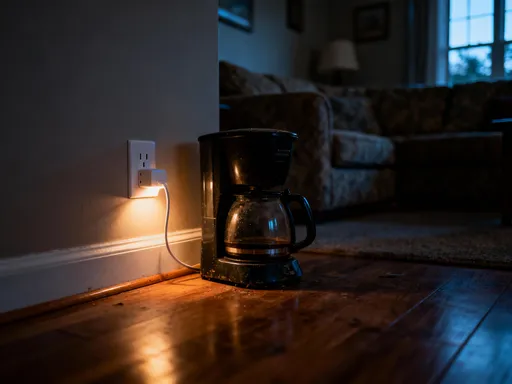
You don’t need to spend thousands to feel safer. Some of the most effective tools cost less than a dinner out. A $20 doorjamb alarm, for example, makes a loud noise if someone tries to force the door open. It’s simple, but it works. Another low-cost win? Smart plugs. For under $15, you can plug in a lamp and set it to turn on and off at random times, making it look like someone’s home even when you’re away. There are even free apps that simulate presence using your existing lights. These aren’t gimmicks—they’re practical, proven ways to deter unwanted attention.
Another budget-friendly option? A portable doorstop alarm. It’s a small device you wedge under your door when you’re inside. If someone tries to push it open, it screams. I keep one in my bedroom and another by the front door. It’s like having a watchdog that never sleeps. And for renters, these are perfect—no installation, no damage to walls, easy to take with you when you move.
The truth is, you don’t need a full smart home system to benefit from technology. Start small. Pick one pain point—maybe it’s the dark hallway or the anxiety of not knowing who’s at the door—and solve that first. Once you feel the relief, you’ll naturally want to build from there. And the return on investment isn’t just emotional—it’s practical. Feeling safer means better sleep, less stress, more energy for the things you love. That’s worth every penny.
Building a Life Where You Can Truly Relax
Let’s come back to the heart of it all: what do we really want? It’s not just to be safe. It’s to feel free. Free to dance in the kitchen at midnight. Free to leave the curtains open. Free to fall asleep without gripping your phone. That’s the gift of getting safety right—not just protection, but peace. And that peace isn’t something that happens by accident. It’s built, piece by piece, choice by choice. It’s in the smart doorbell that lets you see who’s there. It’s in the voice message from your child that makes you smile. It’s in the routine that turns off the lights and whispers, “You’re safe now.”
Living alone doesn’t have to mean living in fear. It can mean living with intention. With tools that support you, not overwhelm you. With a home that doesn’t just shelter you, but holds you. I used to think technology was cold, impersonal, reserved for the young and tech-savvy. But I’ve learned it can be warm, human, deeply personal. It can be the quiet hand on your back that says, “I’ve got you.”
So if you’re living alone and carrying that quiet weight of worry, know this: you don’t have to white-knuckle your way through it. You can design a life that feels safe, supported, and deeply yours. Start small. Choose one tool. Solve one fear. And then watch how the rest begins to shift. Because when you feel safe, you don’t just survive—you thrive. You cook that recipe you’ve been saving. You host that dinner. You finally wear the pajamas you love, without worrying about being ready for anything. You come home—to yourself, and to your life. And that, my friend, is the most powerful upgrade of all.