Tired of Wasting Hours in Traffic? This Tool Made My Commutes Predictable and Stress-Free
Getting stuck in traffic isn’t just frustrating—it steals time from your family, your hobbies, and your peace of mind. I used to dread my daily drive, constantly late and always stressed. But when I started using real-time traffic updates, everything changed. It wasn’t just about avoiding jams; it was about reclaiming control. Now, I arrive on time, breathe easier, and enjoy the drive. This is more than an app—it’s a quiet revolution in how we move through our days.
The Daily Grind: When Commuting Feels Like Losing Hours
How many mornings have you woken up already behind schedule? You rush through breakfast, kiss the kids goodbye, and hop in the car, hoping today might be different. But then, there it is—the red line on the map, the endless brake lights ahead, the same stretch of highway that’s been backed up for years. I’ve been there, more times than I can count. For over a decade, my life revolved around this ritual: leave early, drive slowly, arrive late, feel guilty. I wasn’t just losing minutes—I was losing moments. The kind of moments you can’t get back.
Think about it. That extra half hour stuck in traffic? It’s the bedtime story you missed. It’s the school play you arrived late to. It’s the quiet cup of tea with your partner that never happened. And it’s not just about time. It’s about energy. Every red light, every unexpected detour, every honk behind me chipped away at my calm. I’d pull into the driveway after work already drained, snapping at the kids over spilled milk or zoning out during dinner. I didn’t realize how much my commute was shaping my mood—until it stopped.
We’ve been taught to accept traffic as a fact of life, like bad weather or rising prices. But what if it doesn’t have to be that way? What if we didn’t have to surrender those hours every week? I used to believe there was nothing I could do. The roads were what they were. But then I learned something simple: information changes everything. And when that information comes in real time, it doesn’t just help you drive—it helps you live.
Discovering a Smarter Way: My First Real-Time Traffic Alert
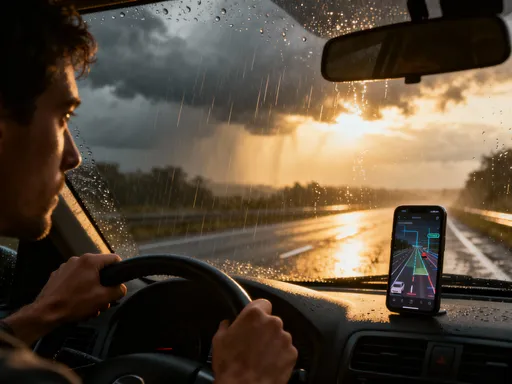
It started on a rainy Tuesday. I was heading to a doctor’s appointment, already nervous about being late. My usual route took me through downtown, where construction had been going on for months. I braced myself for delays, gripping the wheel as the windshield wipers swished back and forth. Then, my phone made a soft chime. A voice said, “Traffic ahead. Recalculating route. Take a right on Elm in 500 feet.” I hesitated. Was this really going to help? Or would it send me down some back alley with no way out?
But I followed the directions. And something amazing happened—I avoided the jam completely. Instead of crawling along at ten miles an hour, I was moving smoothly through side streets I’d never noticed before. I arrived five minutes early, calm, even a little proud of myself. It wasn’t because I’d done anything brilliant. It was because I had help. That was the first time I truly understood: this wasn’t just a map. It was a guide. A quiet voice that knew the roads better than I ever could.
What I didn’t realize then was how this technology actually works. It’s not magic, but it’s close. Millions of phones—just like yours and mine—are sharing anonymous location data every second. When lots of phones slow down in one area, the system knows there’s a backup. Accidents, construction, weather—it all shows up instantly. The app combines that with historical patterns and live reports from other drivers to predict the fastest route. And it updates constantly. So if a new blockage pops up, you’re rerouted before you even see the brake lights.
But here’s what matters most: you don’t need to understand any of that. You just need to listen. It’s like having a friend who’s always ahead of you on the road, calling back to say, “Don’t go this way—there’s a mess up ahead.” No technical skills. No complicated settings. Just turn it on, and let it do the thinking for you. That day changed everything. I wasn’t just avoiding traffic—I was starting to trust that I could.
Beyond the Commute: How Traffic Insights Improved My Whole Week
At first, I only used it for work. But soon, I started relying on it for everything. School drop-offs. Grocery runs. Weekend trips to visit my sister. I realized I was spending less time behind the wheel, even though my schedule hadn’t changed. The app wasn’t just helping me avoid jams—it was helping me plan smarter. I began checking traffic before I left, not just during the drive. If I saw a big backup downtown, I’d shift my errands to the afternoon. If the highway looked clear, I’d leave a little later and enjoy an extra cup of coffee.
One Saturday, I was heading to a birthday party for my nephew. The venue was near the stadium, and I’d forgotten—there was a game that day. Normally, I’d have walked into chaos, circling the block for twenty minutes, panicking about being late. But my app warned me ten minutes out. “Heavy traffic due to event. Suggested route change.” I took the alternate path, found parking quickly, and walked in with a smile, not a sweat. My sister said, “How did you get here so fast?” I just smiled. “Magic.” But we both know it wasn’t.
And it’s not just about time. Think about the little things—how much gas you waste idling in traffic. How many extra miles you add by taking inefficient routes. Over a month, that adds up. Over a year, it’s real money. I started tracking my fuel use, and within three months, I was saving nearly $40 a month. That’s over $400 a year—enough for a nice family dinner out, or a small vacation fund. Plus, less idling means fewer emissions. I didn’t start using this to be greener, but I’m proud that it’s helping the planet a little, too.
Even my mindset shifted. I stopped seeing errands as a burden. Why? Because I knew I wouldn’t get stuck. I could plan with confidence. I’d tell myself, “I’ll leave at 10:30, it’s only a 15-minute drive.” And guess what? It was. No surprises. No stress. Just smooth, predictable movement through my day. That kind of reliability? It’s priceless when you’re juggling kids, work, and life.
Family Time, Protected: Less Driving Stress, More Shared Moments
Let’s be honest—when you’re stressed behind the wheel, it doesn’t stay in the car. I used to come home tense, snapping at the kids for small things. “Why is your backpack on the floor?” “Did I not ask you to hang up your coat?” It wasn’t really about the backpack. It was about the 45 minutes I’d just spent in gridlock, feeling helpless. My kids didn’t cause that stress, but they felt it. And my partner? He’d say, “Rough day?” when I walked in. The truth was, every day felt rough.
But when my drives got easier, everything else softened too. I started arriving home calm. Present. Smiling. One evening, my daughter ran to the door and said, “Mommy, you’re happy today!” I realized I hadn’t yelled once on the drive back. No honking. No cursing under my breath. Just music and quiet thoughts. That moment hit me hard. This tool wasn’t just saving me time—it was saving my relationships.
And it wasn’t just about coming home in a better mood. It was about being there—really there. I started making it to bedtime. Not late, flustered, and rushing through the story. But early enough to sit on the edge of the bed, tuck them in, and really listen to their little stories about the day. “I made a drawing of a butterfly.” “My friend shared her snack.” These moments used to slip away. Now, they’re part of my routine. I don’t take them for granted.
Even weekend trips changed. Instead of arriving at the park or the zoo already exhausted, we’d pull up energized and ready to play. My son would say, “We got here fast!” and I’d smile, knowing we hadn’t lost an hour to bad routing. That extra energy? It went into building sandcastles, not fighting traffic. This isn’t just about convenience. It’s about protecting what matters most—your time with the people you love.
Building Confidence on the Road: From Reactive to Proactive Driver
There’s a quiet confidence that comes from knowing you’re in control. I used to feel like a passenger in my own car, at the mercy of the road. Now, I feel like I’m driving with a partner. Someone who sees what I can’t. Someone who’s always one step ahead. That shift—from reactive to proactive—has changed more than my commute. It’s changed how I face challenges in general.
I remember my first solo trip to a new city. Years ago, I would have been terrified. Maps printed out, directions memorized, panic rising if I took one wrong turn. But this time, I just turned on the app and went. When traffic changed, the route changed with it. When a road was closed, I was rerouted instantly. I didn’t stress. I trusted the system. And you know what? I got there without a single wrong turn. I even found a cute little coffee shop on the way, thanks to a suggested detour. That trip felt like a win—not because I navigated perfectly, but because I didn’t have to.
That confidence spills over. At work, I make decisions faster. At home, I handle chaos with more calm. I’ve started saying yes to things I used to avoid—driving at night, going to unfamiliar places, taking the kids on spontaneous outings. Because I know I won’t get lost. I know I won’t get stuck. I know I’ll get there, and I’ll get there with peace of mind.
And for women especially, that sense of safety and control matters. We’re often the ones managing the family schedule, the school runs, the last-minute changes. Having a tool that helps us stay on track, stay calm, and stay in charge? That’s powerful. It’s not about being fearless. It’s about knowing you’ve got support when you need it.
Long-Term Gains: Saving Time, Fuel, and Mental Energy Year After Year
Let’s talk about the big picture. We often focus on the daily win—the 10 minutes saved today, the smooth drive to the store. But what happens when you multiply that over months? Over years? I did the math. Before, I was spending an average of 75 minutes a day in the car, with at least 20 of those wasted in traffic. Now, it’s closer to 55 minutes, with only 5 minutes of delay. That’s 20 minutes saved every single day.
Do you know what 20 minutes a day adds up to? Over a year, it’s 121 hours. That’s five full days. Five days you could spend with your family. Five days you could use to learn a new skill, start a hobby, or just rest. Over ten years, it’s 50 days—more than a month and a half of extra time. That’s not just efficiency. That’s freedom.
And it’s not just time. Let’s talk money. I used to fill up my tank every 10 days. Now, it’s every 12. That’s nearly a full tank saved every two months. At today’s prices, that’s about $500 a year. Plus, less wear and tear on my car means lower maintenance costs. Fewer brake jobs. Fewer tire replacements. My mechanic even noticed. “You’re not putting on miles like you used to,” he said. “Your car’s holding up great.”
But the biggest savings might be invisible—mental energy. Every decision you make in traffic—“Should I switch lanes?” “Is this backup going to clear?” “Did I miss my exit?”—takes a tiny toll. Multiply that by hundreds of drives, and it’s exhaustion. Now, I don’t have to decide. The app does it for me. My brain gets a break. And that rest? It shows up in how I parent, how I work, how I show up in the world. I’m not just saving time and money. I’m saving my peace.
A Small Tool with Quiet Power: Why This Matters More Than You Think
When I first started using real-time traffic updates, I thought it was just about getting somewhere faster. But it’s become so much more. It’s about arriving as the person I want to be—not frazzled, late, and stressed, but calm, present, and in control. It’s about protecting time with my kids, my partner, myself. It’s about trusting that I can handle whatever the day throws at me, even if it’s a highway full of brake lights.
Technology doesn’t have to be flashy to be transformative. Sometimes, the most powerful tools are the ones that work quietly in the background, asking for nothing, delivering everything. This isn’t about chasing the latest gadget. It’s about using what’s already in your pocket to live better, day after day. It’s about saying yes to your life—without the roadblocks.
So I’ll ask you: what could you do with an extra hour every week? Read to your kids? Start a garden? Call a friend you’ve been meaning to catch up with? Take a walk just for yourself? That time is possible. It’s not locked away. It’s hiding in your commute, waiting to be reclaimed. And it starts with a simple choice—to let a little smart technology carry some of the load.
You deserve to feel in control. You deserve to arrive with your calm intact. And you deserve to spend your time on what truly matters. This tool didn’t just change my drives. It changed my life. And I know it can change yours too. All it takes is one tap. One decision. One morning where you listen to that quiet voice and say, “Okay, let’s go this way instead.”