From Chaos to Connection: How Simple Tech Tools Transformed Our Family Creativity Time
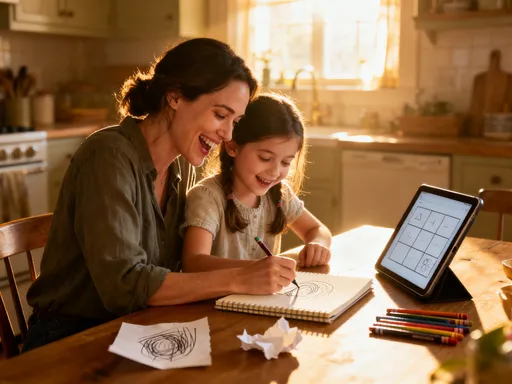
Imagine this: you’re sitting with your child at the kitchen table, crayons and paper everywhere, trying to start a fun project—only to get stuck on the mess, the distractions, the “I don’t know what to make” sighs. Sound familiar? I’ve been there too. But what if the same tools we use for work—simple, smart, everyday tech—could turn those frustrating moments into joyful, creative connections? It’s not about fancy gadgets. It’s about using what we already have in a whole new way. And honestly, it changed everything for us.
The Messy Reality of Family Creative Time
We all want meaningful moments with our kids, especially when creating something together. We dream of laughter, colorful pages, proud little hands holding up handmade cards or stories they wrote. But too often, those dreams crash into reality—crumpled paper, half-finished drawings, and the all-too-familiar “I don’t know what to make” that hangs in the air like a deflated balloon. I used to think the solution was more supplies: a bigger box of markers, a fancy craft kit, maybe even a dedicated art corner. But the truth was, the problem wasn’t the crayons. It was the chaos.
Without any rhythm or structure, creativity felt overwhelming—for me and for my daughter. We’d start with excitement, but within minutes, she’d be distracted, I’d be frustrated, and the project would quietly die on the table. I’d look at the mess and feel guilty. Was I failing her? Was I not doing enough to nurture her imagination? But then I realized something important: creativity doesn’t thrive in total chaos. It thrives in freedom with a little framework. And that’s when it hit me—why was I using digital tools to organize my workday but not my family time?
At work, I use simple apps to track tasks, set reminders, and keep ideas from slipping away. Why couldn’t we do the same at home? It wasn’t about turning family time into a corporate meeting. It was about borrowing a tiny bit of that structure to make space for more joy, less stress. The real issue wasn’t a lack of love or effort. It was a lack of flow. And once we found that flow, everything changed.
Why Workflow Optimization Isn’t Just for Offices
When I first said out loud, “I think we need a creative workflow for our family,” my husband gave me a look. “Workflow?” he said. “This is supposed to be fun, not a project plan.” And I get it. The word “workflow” sounds stiff, corporate, maybe even cold. But that’s not what I mean. What I mean is this: anything we do regularly—cooking dinner, getting ready in the morning, even bedtime routines—works better when there’s a simple rhythm. Creativity is no different.
Workflow optimization isn’t about strict timelines or performance reviews. It’s about removing friction. Think of it like clearing the counter before you start cooking. You don’t clean because you love cleaning—you clean so you can actually cook without tripping over clutter. The same goes for creativity. When ideas are scattered, when there’s no clear next step, the energy drains fast. But when you have a gentle structure—something as simple as “first we collect ideas, then we pick one, then we make it”—suddenly, it feels doable.
Using everyday tech tools helped us create that rhythm. Instead of staring at a blank page and saying, “Let’s make something!” with no direction, we could open our shared notebook and say, “Hey, remember that idea you had about the dragon who loves cupcakes? Want to work on that today?” That small shift—from starting from zero to building on something—made all the difference. The tools didn’t make us more creative. They made it easier to access the creativity we already had.
And here’s the surprise: it didn’t make our time feel robotic or technical. It made it feel lighter. There was less pressure, less decision fatigue, and way more follow-through. My daughter started saying things like, “I have an idea!” instead of “I don’t know what to do.” And that, more than any finished project, told me we were on the right track.
Choosing the Right Tools—Simple, Shared, and Screen-Light
Now, I know what you might be thinking: “Wait, are you saying I need to put screens in front of my kids to be more creative?” And my answer is no—absolutely not. That’s not the goal. The goal is to use tech as a quiet helper, not the main event. The tools we chose were simple, accessible, and required almost no learning curve. We didn’t download anything fancy or buy new devices. We used what we already had: a tablet, a smartphone, and apps most of us already use every day.
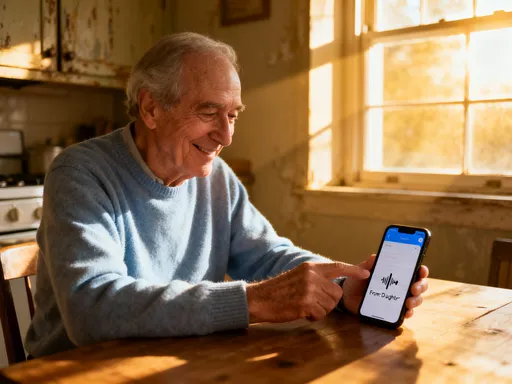
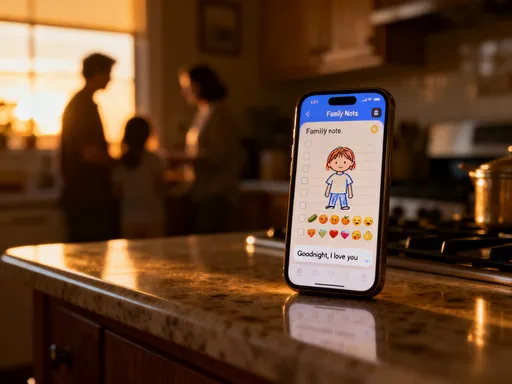
Our starting point was a shared digital notebook. I chose one that lets us add text, photos, voice recordings, and even quick sketches—all in one place. The rule was simple: one tap to add, one tap to view. No passwords, no folders within folders, no complicated steps. When my daughter had an idea—like a story about a cat astronaut—she could tap the mic and say, “Mom, the cat went to Mars and found space tuna!” and it was saved. No more “I forgot what I wanted to say” moments.
We also used a basic calendar app to mark “creative days.” Not every day had to be a project day—some weeks were busy, and that was okay. But having a soft reminder—like a little star or a fun emoji—helped us protect that time. It wasn’t about pressure; it was about intention. And the best part? Most of our actual making still happened offline. The screen was just the spark, the planner, the memory keeper. The real magic happened with glue, glitter, and giggles at the kitchen table.
The key was balance. We didn’t let the tools take over. Instead, they created space for hands-on creativity. They helped us remember ideas, reduce frustration, and build momentum. And because the tech was low-effort and shared, it didn’t feel like I was managing a project—it felt like we were playing together, just with a little extra support.
Building a Family Creative Workflow: From Idea to Finished Project
Once we had our tools, we created a simple four-step rhythm: Spark, Gather, Build, Share. It wasn’t rigid—more like a gentle guide we could return to when we felt stuck. “Spark” was the moment inspiration hit—maybe a dream, a walk in the park, or a silly joke. We’d capture it fast: a voice note, a photo, a scribble. No pressure to make it perfect—just get it down.
“Gather” was our favorite family moment. Once a week, we’d sit together and scroll through our notebook. “Remember this idea?” I’d say, pulling up a recording of her singing a song about a dancing pineapple. “Want to turn it into a story?” It felt like treasure hunting—rediscovering forgotten gems. This step gave us direction. Instead of starting from nothing, we had options. And because the ideas were already saved, there was no pressure to come up with something on the spot.
“Build” was the hands-on part—the drawing, the writing, the cutting, the gluing. This is where the screens went away (mostly). We’d print out a page if needed, or just use the idea as inspiration. Sometimes she’d make a book, sometimes a puppet, sometimes just a single illustration. The format didn’t matter. What mattered was the doing, the creating, the being together.
And finally, “Share.” This wasn’t about posting online or showing off. It was about closing the loop. We’d read the story aloud, put the drawing on the fridge, or play the voice recording for Grandma over video call. That little moment of completion—of saying, “We made this”—was powerful. It built pride, confidence, and a sense of accomplishment. And over time, my daughter started leading the process. She’d say, “I want to finish my robot story today,” or “Can we make a cover page?” She wasn’t just following along—she was owning her creativity.
Strengthening Connection Through Collaborative Tech Use
Here’s what I didn’t expect: using tech together brought us closer. I used to worry that screens would pull us apart—that I’d be on my phone while she watched a show, or that tech would replace real connection. But when we used tools side by side, something shifted. We weren’t just consuming content—we were creating it. We’d huddle over the tablet, laughing at her exaggerated voice recordings or rearranging the pages of her story like a puzzle.
It became a shared language. She’d say, “Can we save this idea?” and I’d show her how to tap the mic. She’d ask, “When can we build it?” and we’d check the calendar together. These weren’t tech lessons—they were moments of teamwork, of collaboration, of “we’re in this together.” And because the tools were simple, the focus stayed on us, not the device.
Our conversations deepened. Instead of “What do you want for dinner?” we were asking, “What should happen next in the story?” or “Should the dragon have wings or a jetpack?” She started thinking ahead, planning, imagining sequences. I saw her problem-solving skills grow. And more than that, I saw her confidence grow. She wasn’t just making things—she was making decisions, taking initiative, and seeing ideas through.
That kind of connection isn’t created by fancy gadgets. It’s created by showing up, by paying attention, by building something—literally and emotionally—together. The tech didn’t replace our bond. It gave us a new way to express it.
Keeping It Real: No Perfection, Just Progress
Let’s be honest—no every project was a masterpiece. Some stories had missing pages. Some drawings got smudged. Some ideas never made it past the “Spark” stage. And that’s okay. The goal was never perfection. It was presence. It was showing up, trying, and learning that it’s okay to leave something unfinished.
The tools helped us come back to those unfinished projects without frustration. Before, if we stopped in the middle, it was hard to remember where we left off. Now, we could open the notebook and see: “Oh, we were drawing the spaceship. Let’s add rockets!” That simple ability to pick up where we left off made a huge difference. It taught us both that creativity isn’t about getting it right the first time—it’s about coming back, again and again.
We started celebrating small wins. Finishing a cover. Recording a full story. Inviting Grandma to a mini “showing” in the living room. These weren’t grand achievements, but they mattered. They built momentum. And over time, I noticed something: my daughter wasn’t afraid to start something new. She knew that even if it wasn’t perfect, we’d figure it out together.
That persistence, that willingness to keep going—that’s the real gift. Not the finished product, but the process. And the tools? They didn’t create that. But they made it easier to keep going, especially on the days when motivation was low or life was busy.
A New Kind of Family Legacy: Projects That Grow With You
Months passed. Our digital notebook filled up. Not with polished files or professional-looking documents—but with life. With shaky voice recordings of bedtime stories, blurry photos of half-finished drawings, scribbled ideas about dragons and space cats and underwater kingdoms. And scrolling through it now? It feels like time travel.
“I used to draw cats like this,” my daughter said recently, comparing an old sketch to a new one. “Now I can do eyes better.” It wasn’t bragging. It was reflection. She was seeing her own growth, not because I told her she was improving, but because she could see it with her own eyes. That’s the power of keeping a creative record—not to showcase perfection, but to witness progress.
These files aren’t just digital clutter. They’re a living archive of who we are, who we were, and how we’ve grown—together. They’re proof of time well spent, of laughter shared, of ideas that started as whispers and became stories. And the best part? She sees herself differently now. She doesn’t say, “I’m not good at drawing.” She says, “I’m a creator.”
Not because of trophies or praise. Because she’s built things. Because she’s followed ideas from spark to share. Because she’s learned that creativity isn’t magic—it’s work, it’s play, it’s patience, it’s love. And because she knows she’s not alone in it.
So if you’re sitting at the kitchen table, staring at a blank page, wondering how to make creative time feel joyful instead of stressful—try this: borrow a little tech, not to replace the crayons, but to protect them. Use simple tools to capture ideas, create rhythm, and make space for connection. You don’t need a high-tech setup. You don’t need to be a tech expert. You just need to start—wherever you are, with whatever you have. Because the most beautiful creations aren’t perfect. They’re real. They’re yours. And they’re waiting to be made—together.