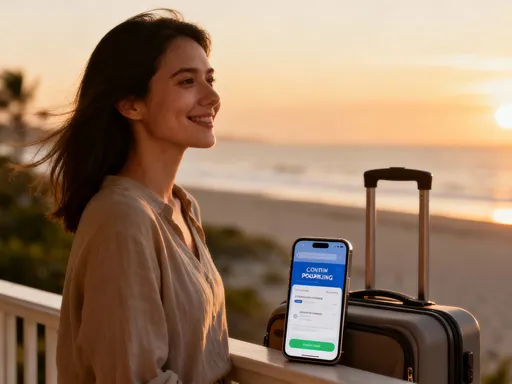
From Overwhelmed to Effortless: How Smart Booking Tools Gave Me My Travel Joy Back
Travel used to mean stress—endless browser tabs, missed deals, and hotel photos that lied. I’d spend entire evenings comparing prices, only to book something I regretted later. The excitement of planning a getaway would quickly fade into frustration and fatigue. But recently, everything changed. Now, I plan trips in minutes, sleep soundly knowing I got the best deal, and actually enjoy the anticipation. It’s not magic—it’s smarter tools working quietly behind the scenes. And the best part? You don’t need to be tech-savvy to benefit. This isn’t about flashy gadgets or complicated apps. It’s about real help for real life—especially when you’re juggling family, work, and the quiet hope of a meaningful escape.
The Old Way: Why Planning Trips Felt Like a Second Job
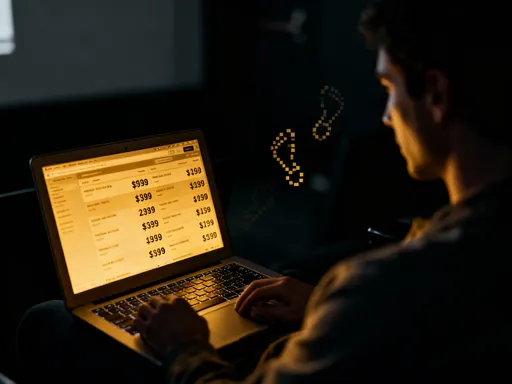
I remember the last time I planned a family vacation the old-fashioned way. It started with excitement—dreaming of a beach, warm sun, and slow mornings. But by day three, I was buried under a mountain of browser tabs, each one promising a better flight or a cozier hotel. I had six windows open just for flights, another four for accommodations, and a spreadsheet where I tracked prices that seemed to change every time I refreshed the page. My husband walked in and said, “You look like you’re planning a military operation, not a vacation.” He wasn’t wrong.
The real problem wasn’t just the time—it was the emotional toll. I felt responsible for getting everything right. One wrong choice could mean a cramped seat on a red-eye flight or a hotel room that looked nothing like the glossy photo online. I once booked what was advertised as a “beachfront paradise” only to arrive and find a parking lot between me and the ocean. The photo had cleverly framed out the construction zone. I felt cheated, but also embarrassed—I had promised the kids a dream trip, and instead, we were disappointed before we even started.
And it wasn’t just me. So many women I know—mothers, caregivers, planners—feel this pressure. We want to create beautiful memories, but the process often leaves us drained before we even pack a suitcase. The worst part? After all that effort, I still didn’t know if I’d gotten a good deal. Prices fluctuated, last-minute sales popped up after I booked, and I was left wondering if I’d missed something better. Planning a trip wasn’t joyful—it was a second job with no paycheck and no time off.
The Shift: Discovering Tools That Work for You, Not Against You
The turning point came when a friend said, “You’re doing it the hard way.” She wasn’t judging—she just showed me how she used a single platform to compare flights, hotels, and even local activities—all in one place. At first, I was skeptical. I thought, “That sounds too good to be true.” But I was tired, and my next trip was coming up, so I gave it a try.
Within minutes, I had a shortlist of flights with clear price breakdowns—no hidden fees, no surprise charges at checkout. Then came the real shock: a notification popped up saying, “Prices for your route are expected to drop in 48 hours.” I could set an alert and let the app watch the price for me. I didn’t have to keep refreshing or lose sleep wondering if I should book now or wait. I could just… breathe.
That was my first “aha” moment. These tools weren’t about taking control away—they were about giving it back. Instead of me chasing information, the information came to me. The platform learned what I cared about: early flights, aisle seats, hotels with quiet rooms. It didn’t ask me to become a data analyst. It just helped me make smarter choices, faster. And for the first time, planning a trip didn’t feel like a battle. It felt like support.
I realized I didn’t need to be perfect. I didn’t need to check every single option. The tool did the heavy lifting, and I got to focus on what really mattered—choosing the destination, imagining the moments, and getting excited. That shift—from stress to simplicity—wasn’t just convenient. It was emotional. I felt lighter, more confident, and honestly, more like myself.
Flights Made Frictionless: When Timing and Transparency Win
One of the biggest sources of travel stress has always been flights—especially when you’re booking for a group. I remember trying to plan a family reunion a few years ago. We had cousins coming from three different cities, with wildly different work schedules. Finding flights that worked for everyone felt impossible. I spent hours trying to match arrival times, avoid red-eyes, and keep costs reasonable. And just when I thought I had it, someone would say, “Wait, I can’t leave until Friday afternoon,” and the whole thing would fall apart.
Now, I use platforms with flexible date calendars and predictive pricing. Instead of guessing when to book, I can see a color-coded grid that shows the cheapest days to fly. Green means go, red means hold off. It’s that simple. I can adjust dates with a click and instantly see how it affects the price. And when I find a good option, I can use a “price freeze” feature—lock in the fare for a few days while I confirm with everyone. No more rushing, no more pressure.
Last month, I booked flights for my sister’s birthday trip to Charleston. The tool alerted me to a price drop two days before I planned to buy. I saved over $180 on three tickets—enough for a nice dinner out. But more than the money, I loved that I didn’t have to work for it. The system did the watching, and I got the reward. That’s the kind of win that changes how you feel about travel. It’s not about being a bargain hunter—it’s about being at peace with your choices.
And for moms and caregivers, that peace is priceless. We’re used to putting everyone else first. But when technology helps us make smarter decisions with less effort, it’s like giving ourselves a small gift. We’re not just saving time—we’re saving energy. And that energy? It goes right back into our lives, into our families, into the joy of simply being present.
Hotels That Feel Like They Know You
Hotels used to be a gamble. The photos looked amazing—sparkling pools, ocean views, fluffy robes. But the reality? Sometimes it was a room facing a brick wall with thin curtains and a flickering light. I learned the hard way to read reviews, but even that was exhausting. Hundreds of comments, some glowing, some terrifying, and no way to know which ones to trust.
Now, I rely on platforms that show verified guest photos—real pictures taken by travelers, not professional shoots. I can scroll through images of the actual room, the bathroom, the hallway, even the breakfast area. It’s like getting a sneak peek from a friend who’s already been there. I remember booking a hotel in Asheville for a solo weekend. I filtered for “quiet rooms away from elevators” because I’m a light sleeper. When I arrived, the room was exactly what I needed—calm, dark, and peaceful. That small detail made the whole trip better.
These tools also understand what really matters to people like us. Not just star ratings, but things like strong Wi-Fi (so I can check in with home), walkability (so I don’t have to drive after a long flight), and pet-friendly options (because sometimes, the dog is part of the family). I recently planned a trip with my daughter and her rescue dog. Finding a clean, welcoming place that allowed pets used to take hours. Now, I click one filter, and I have a list of vetted options. It’s not just convenient—it feels like someone finally gets it.
And that’s the real power here: trust. When I book a hotel now, I don’t lie awake wondering if I made a mistake. The platform uses real traveler feedback, smart filters, and honest visuals to help me choose with confidence. I’m not just avoiding bad experiences—I’m creating better ones. And that shift, from doubt to trust, is one of the quietest but most powerful gifts of modern travel tech.
The Hidden Perks: Beyond Booking, Into Experiences
One thing I didn’t expect was how much these tools could enhance the trip itself—not just the planning. I used to rely on guidebooks or random Google searches for things to do. I’d miss hidden gems because I didn’t know to look for them. But now, the platforms I use suggest local experiences based on my interests. After I booked a cabin in the Smokies, I got a notification: “Love hiking? Try the guided sunrise walk at Clingmans Dome—locals love it.”
I almost skipped it, thinking it was just another tourist trap. But I decided to go. We woke up at 4:30 a.m., drove up the mountain, and joined a small group with a naturalist guide. Watching the sun rise over the misty peaks, learning about the plants and birds—it was magical. My daughter still talks about it. And I would have missed it if the app hadn’t suggested it. That’s the beauty of personalized recommendations: they don’t replace adventure. They make it easier to find.
These tools also help with the little things that make a big difference—like finding a family-run restaurant that serves the best peach cobbler in town, or a quiet coffee shop with outdoor seating where I can journal in the morning. They connect me to the soul of a place, not just the checklist. And for someone like me, who values meaningful moments over photo ops, that’s everything.
Plus, many platforms now include transportation tips—like how to get from the airport to the hotel without overpaying, or which local transit pass saves money for a three-day stay. I used to stress about this part, especially in cities where I didn’t know the layout. Now, I get clear, step-by-step guidance. It’s like having a local friend whispering advice in my ear. And again, it’s not about being dependent on tech—it’s about being supported by it.
Sharing the Journey: Keeping Family in the Loop Without the Chaos
One of the most emotional benefits of these tools is how they help me stay connected with my family—especially when someone is traveling alone. When my college-aged daughter studied abroad, I was excited for her but also anxious. I didn’t want to be “that mom” who texts every hour, but I needed reassurance.
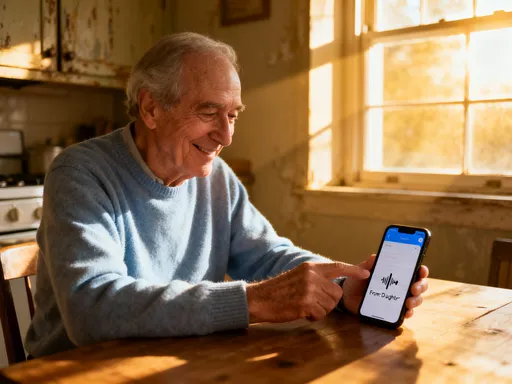
Then I discovered shared itineraries. I could see her flight details, arrival time, and even her hotel address—all in one place. When her plane landed in Dublin, I got a quiet notification. No need to call or text. I just knew she was safe. That small update gave me peace of mind without adding stress to her trip. She later told me she loved that I wasn’t hovering—she felt trusted, but also supported.
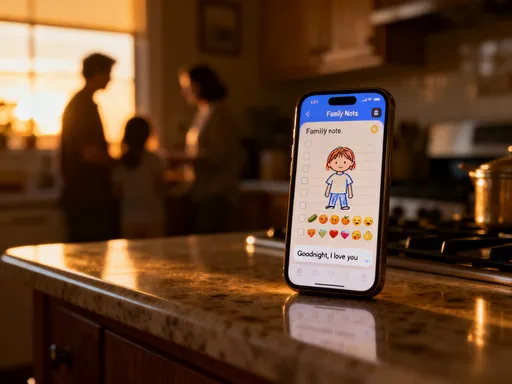
For family trips, shared itineraries are a game-changer. Instead of emailing PDFs or texting updates, everyone gets access to the same plan. My sister can see the dinner reservation, my mom can check the check-out time, and my nephew can find the shuttle schedule. No more confusion, no more “Where are we supposed to meet?” moments. It’s not just about logistics—it’s about harmony. When everyone is on the same page, the trip starts smoothly, and that calm carries through the whole experience.
And let’s be honest—when you’re the one who usually holds it all together, having a tool that helps you share the load is freeing. You’re still the planner, the organizer, the heart of the trip. But now, you’re not carrying the weight alone. Technology becomes your silent partner, helping you care for your family in a smarter, gentler way.
Peace of Mind: When Technology Gives Back Your Time and Trust
Looking back, the biggest change isn’t just that I book faster or save money. It’s that I’ve gotten my joy back. Travel used to feel like a series of hurdles. Now, it feels like a series of possibilities. The time I used to spend stressed over details? I’ve given it back to my life. I’ve used it for long phone calls with my sister, for reading a book before bed, for planning a spontaneous weekend at a nearby lake.
And the trust I’ve regained—both in the process and in my own choices—has made me more confident in other areas too. If I can plan a smooth trip with ease, maybe I can say yes to other things I’ve been putting off. Maybe I can take that class, start that project, or simply give myself permission to rest.
True technology wins aren’t the flashy ones. They’re the quiet moments: sleeping through the night because you know your flight is confirmed, smiling at your phone when you see a price alert, feeling proud when your family arrives at a destination that feels just right. These tools don’t replace the magic of travel—they protect it. They clear away the noise so you can hear the laughter, see the sunsets, and feel the connection.
So if you’ve been putting off planning your next trip because it feels like too much work, I get it. I’ve been there. But I also know there’s another way—one where you’re not fighting the process, but flowing with it. Where you’re not drained before you begin, but energized by the anticipation. You don’t have to be a tech expert. You just have to be someone who deserves a little ease, a little beauty, and a lot of joy. And that, my friend, is exactly who these tools are made for.