I kept saying ‘We’ll organize photos someday’ — This app made it happen in minutes
How many times have you told yourself, “I’ll sort those family photos later”? We all do it. Memories pile up in phone albums, shoeboxes, or forgotten drives. But what if preserving them didn’t feel like a chore? What if it just… happened? I felt the same—until a simple habit shift, powered by the right tech, turned scattered snapshots into shared stories my family actually enjoys. It’s not about having more time. It’s about using it differently. And honestly? The difference isn’t in how many photos we take, but in how often we truly connect with them.
The “Someday” Trap: When Memories Keep Getting Postponed
We’ve all been there—sitting at the kitchen table, phone in hand, promising ourselves, “This weekend, I’ll finally go through the pictures.” Maybe it’s the hundreds of unsorted shots from the kids’ last birthday. Or the stack of printed photos tucked in a drawer since last Christmas. We tell ourselves we’re saving them for later, but “later” never comes. Life keeps moving. The laundry needs folding. Dinner needs cooking. A text from a friend pulls your attention elsewhere. And just like that, another week passes with the photos still unsorted, still unseen.
There’s a quiet sadness in this pattern. Not because we don’t care—we care deeply. But the weight of unsorted memories starts to feel heavier over time. That photo of your daughter’s first bike ride? It’s buried under 378 other images from the same day. The shot of your mom laughing at Thanksgiving? Lost in a folder labeled “Misc 2022.” We think we’re preserving moments, but in reality, we’re just storing data. And storing isn’t the same as remembering.
I used to believe that one long afternoon—maybe a rainy Sunday—would be enough to fix it all. I’d sit down, sort everything, tag the people, maybe even make a digital album. But when I finally tried, I’d get overwhelmed. Should I sort by date? By event? By person? The choices felt paralyzing. After an hour, I’d close the app, defeated, promising to try again “someday.” That word—someday—became a silent thief of joy. It stole not just time, but connection. Because every unsorted photo is a moment we haven’t fully lived with our family.
What I didn’t realize then was that the problem wasn’t my schedule. It wasn’t that I didn’t love these memories enough. The real issue was the system—or lack of one. We assume that if we just had more time, we’d handle it. But time isn’t the bottleneck. The bottleneck is how we’ve been taught to think about memory-keeping: as a big, one-time project, like spring cleaning. And just like spring cleaning, it gets postponed because it feels like work.
The Myth of ‘More Time’ — Why We Need Smarter Habits Instead
Let’s be honest: you’re not going to find three free hours next week to sort photos. You’re not going to magically have more time next month. And even if you did, would you really spend it scrolling through thousands of images? Probably not. The truth is, waiting for “more time” is a trap. It keeps us stuck in intention without action. But here’s the good news: you don’t need more time. You need better habits.
Behavioral science shows us that small, consistent actions beat occasional big efforts every time. Think about brushing your teeth. You don’t set aside one day a month to do it for three hours straight. You do it daily, for two minutes, because it’s built into your routine. Memory-keeping can work the same way. Instead of a marathon session once a year, what if you spent just 90 seconds a day tidying up your photos? That’s it. Less time than it takes to brew your morning coffee.
I started testing this idea last spring. Every night, after I put the kids to bed, I opened my phone and picked three photos from that day. Just three. I added a quick caption—“Emma’s art project,” “Dad’s birthday cake,” “sunset walk”—and tagged the people in them. No sorting by date, no perfect album names. Just a tiny bit of care, every single day. Within a week, I noticed something surprising: I wasn’t dreading it. In fact, I looked forward to it. It felt like a quiet moment of reflection, a way to pause and say, “This mattered today.”
And here’s what changed: the mountain of unsorted photos started to shrink. Not because I worked harder, but because I worked smarter. The app I used—simple, intuitive, designed for real life—automatically grouped photos by date and location. It recognized faces after a few tags, so I didn’t have to do it every time. It even reminded me gently: “You haven’t added a memory in two days.” Not pushy. Just kind. Like a friend checking in.
This shift wasn’t about technology alone. It was about aligning the tool with human behavior. We don’t fail because we’re lazy. We fail because the systems we use don’t fit our lives. But when tech supports tiny, sustainable actions, magic happens. The photos stopped feeling like a chore. They became a habit of heart.
How the Right Tech Fits Into Daily Life — Without the Overhead
Not all apps are built the same. I’ve tried photo organizers that felt like work—complicated menus, endless settings, demands to “optimize your storage.” They made me feel like a data manager, not a mom. The ones that worked? They disappeared into the background. They didn’t ask for attention. They just helped.
The app that finally made a difference had a few key features that matched how I actually live. First, it sorted photos automatically. No manual dragging and dropping. It grouped them by day, by trip, by faces. I didn’t have to think—just open and see. Second, it allowed voice tagging. On busy days, I’d hold down the microphone and say, “This is Jake’s soccer game, Grandma watching from the blue chair.” The app turned my words into searchable tags. No typing, no stress.
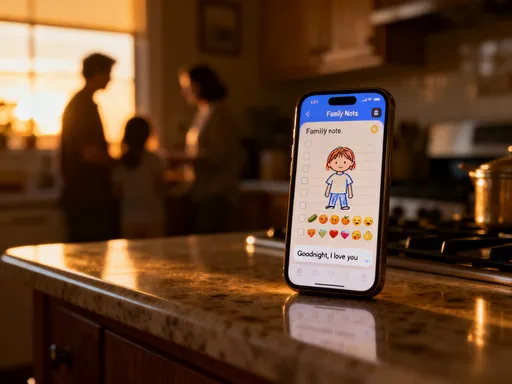
Third—and this was a game-changer—it let me share access with family. I invited my sister and my mom. Now, when I tag a photo of my niece, my sister gets a notification. She can add her own caption: “She scored her first goal!” or “I can’t believe how tall she’s getting.” These little notes turn a static image into a living story. And because it’s shared, it’s not just my memory—it’s ours.
Another quiet feature I love: the app sends a soft reminder every few days. Not a loud ping, not a red badge. Just a small bubble: “Want to add a memory from yesterday?” It’s the digital equivalent of a nudge from a thoughtful friend. And because it’s low-pressure, I actually respond. I don’t feel guilty if I skip a day. I just pick up where I left off.
The beauty of this kind of tech is that it doesn’t demand perfection. It meets you where you are. Some days, I add three photos. Some days, just one. Some days, none. But over time, the consistency builds. And the app doesn’t judge. It just keeps working, quietly, in the way life actually unfolds.
From Capture to Connection — Turning Photos Into Shared Stories
We take photos to remember. But memory isn’t just storage—it’s sharing. And that’s where the real magic happens. A photo of your son blowing out birthday candles is sweet. But when your sister comments, “He looks just like you at that age,” or your mom adds, “I made this cake recipe for you too,” it becomes something deeper. It becomes a conversation.
That’s what’s changed for my family. We don’t wait for holidays to reconnect. We do it daily, through photos. A picture of my daughter’s science fair project sparks a chat with my brother, who’s a teacher. He writes, “Great experiment! Did she use the scientific method?” She reads it and beams. “Uncle Mark thinks I’m a real scientist!” These moments aren’t grand. But they’re real. And they’re building a web of connection, one photo at a time.
The app makes this easy by turning passive viewing into active participation. When someone adds a note, others get notified. Reactions pop up—smiles, hearts, even voice messages. I’ve received a 10-second recording from my dad saying, “That picnic spot brings back memories of your childhood.” I played it for my kids. They listened, wide-eyed. That’s not just a memory. That’s legacy.
And because the app organizes everything so clearly, we can look back effortlessly. Last week, my daughter asked, “When did we get our dog?” I typed “Buddy” into the search bar, and there they were—every photo, in order. We spent 20 minutes scrolling, laughing at his puppy antics. It wasn’t a planned activity. It just happened. Because the memories were ready when we were.
This isn’t about creating a perfect archive. It’s about making memories accessible. It’s about letting joy find you, even on a Tuesday. And when your family can see, feel, and add to those moments easily, something shifts. You’re not just preserving the past. You’re enriching the present.
The Ripple Effect — When Small Actions Improve More Than Just Photos
Here’s something I didn’t expect: getting better at photo organization changed other parts of my life. It wasn’t just about pictures. It was about proving to myself that small, consistent actions work. That I could actually follow through. And once I believed that in one area, I started applying it elsewhere.
I began journaling—not long entries, just three sentences a night. “Today was busy but good. The kids laughed at dinner. I felt proud of how I handled the work call.” I used the same app to save these notes, attaching them to photos when they fit. Over time, I noticed a shift. I wasn’t just recording events. I was tuning into feelings. And that made me more present during the day, because I knew I’d want to remember the good moments.
The same habit spilled into planning. I started using a simple digital calendar with gentle reminders. Not for every minute, but for what matters: “Call Mom,” “Buy birthday card,” “Take vitamins.” No overwhelm. Just support. And because I trusted the system, I relaxed. I didn’t have to keep everything in my head anymore.
Even our family communication improved. We created a shared space in the app for non-photo memories: voice notes, scanned letters, even short videos. My mom recorded a recipe for apple pie, narrating as she baked. We saved it. Now, when we make it, we play her voice in the kitchen. It’s like she’s there. These aren’t fancy features. They’re human ones. And they’ve brought us closer, not because we tried harder, but because the tech made it easier to care.
That’s the ripple effect. When you master a small habit, it builds confidence. You start to believe you can handle other things too. You stop saying “someday” and start saying “today.” And that mindset shift? It’s priceless.
Making It Stick — Designing a Routine That Feels Natural
If you’re thinking, “This sounds great, but I’ll never remember to do it,” I get it. I felt the same. The key isn’t willpower. It’s design. You don’t need to be more disciplined. You need to make it easier.
Here’s what worked for me: I attached photo sorting to an existing habit. Right after I plug in my phone at night, I open the app. It takes less than two minutes. Because it’s tied to something I already do—charging my phone—it sticks. No extra effort. No decision fatigue.
I also picked a tool that fits my life. I didn’t choose the most powerful app. I chose the one that felt the most natural. It opens quickly. It doesn’t crash. It doesn’t ask for constant updates. It just works. And because it’s low-friction, I don’t resist it.
Another tip: start small. Don’t try to sort a year’s worth of photos in one night. Pick one day. Choose three photos. Add one sentence. That’s enough. Celebrate that. Progress, not perfection.
And be kind to yourself. Miss a day? That’s fine. Two days? No problem. The app doesn’t keep score. It just waits for you to come back. And when you do, it’s ready. No guilt. No pressure. Just possibility.
The Quiet Joy of Showing Up — Why Consistency Beats Perfection
In the end, this isn’t really about photos. It’s about presence. It’s about showing up for your life, in small ways, every day. It’s about saying, “This moment mattered,” even if no one else sees it. And when you do that consistently, something beautiful happens. You start to live more fully.
Technology, at its best, doesn’t replace effort. It makes meaningful effort possible. It helps us care in ways we already want to, but haven’t known how to sustain. And when we use it that way, it becomes more than a tool. It becomes a companion in living well.
My family still takes hundreds of photos. But now, they’re not lost. They’re loved. We look at them. We laugh at them. We add to them. And in doing so, we’re not just remembering the past. We’re building a richer, more connected present.
So if you’ve been putting off sorting your photos, waiting for the perfect time—let me say this: the perfect time doesn’t exist. But a better way does. Start small. Use a tool that helps, not hinders. And let the photos become what they were always meant to be: not data, but stories. Not files, but feelings. Not someday—but today.